Observe.
Before changing anything, we watch.
The first sessions show us how this child meets water — what draws them in, what makes them hesitate, and what they already know. We watch long enough to notice before asking them to change anything.
The Flui Approach
Observation is not waiting. Observation is coaching.
Swimming, understood differently.
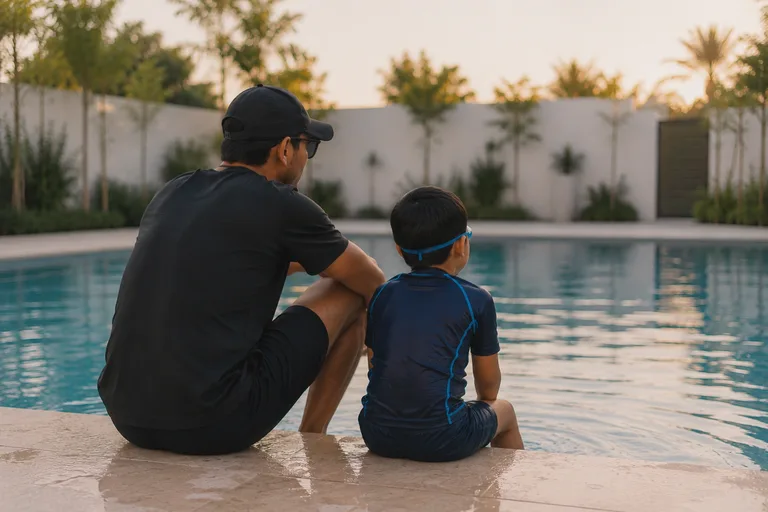
Before changing anything, we watch.
The first sessions show us how this child meets water — what draws them in, what makes them hesitate, and what they already know. We watch long enough to notice before asking them to change anything.
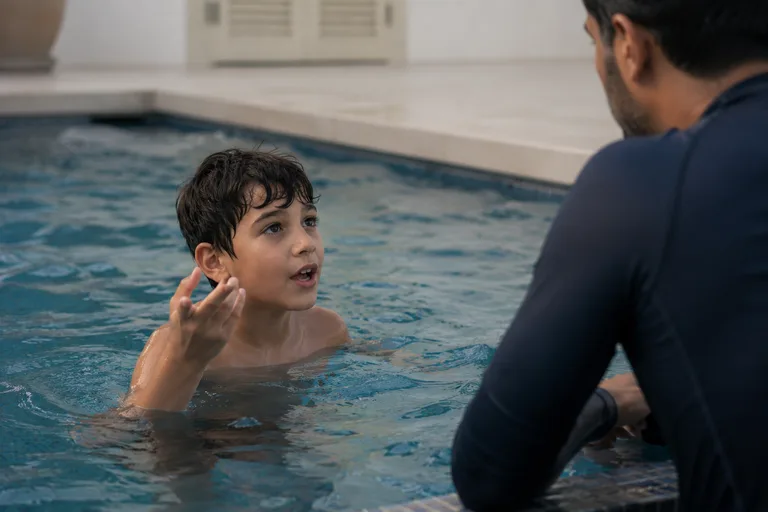
The same instruction does not belong to every child.
We change the activity, challenge and pace to match the child in front of us. Something that helps one child move forward may make another pull away.
Progress becomes something the child can carry without us.
The change matters most when they choose to try again without being asked. We stay close while that independence is forming, then we step back.


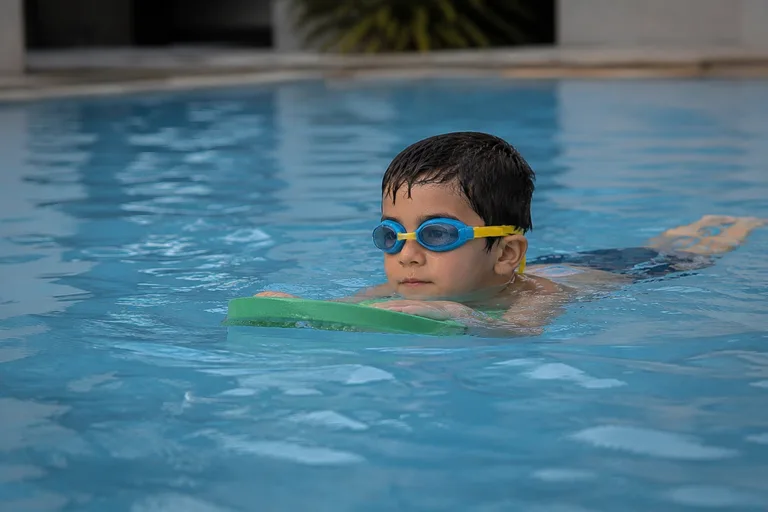
Children learn to swim the way they learn most things that matter: by trying, repeating, and noticing what happens. Play is often where attention, balance and courage become theirs. A child who chooses to try again is already becoming capable.
A child can follow every request and still feel uncertain in water. Cooperation is not the same as confidence. We look for the moment they act because they know what to do — not because they were told.

For children who learn by exploring.
Some children need time to look, test, repeat and return on their own terms. We give them reassurance and room to explore, adding structure when it begins to help.
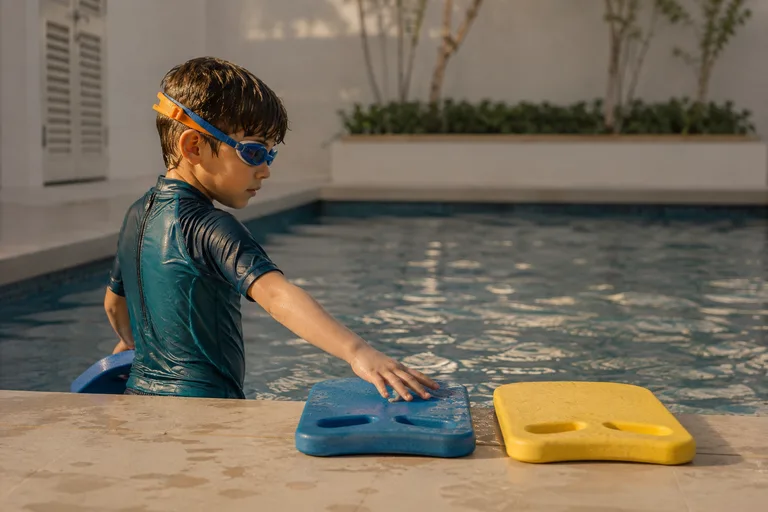
For children who respond to more structure.
Some children settle when the next challenge is clear. We give them something specific to work toward, then adjust the demand as their confidence and capability grow.
Neither beginning is better.
You don't need to decide which journey is right. That's our responsibility.
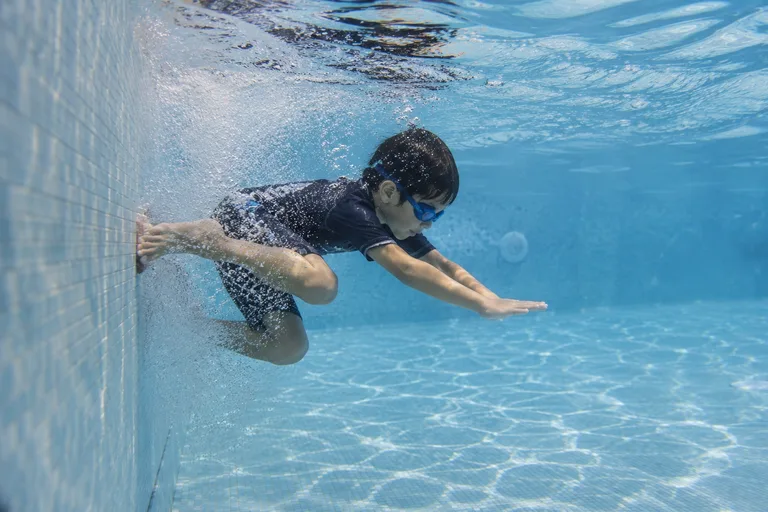
Capability is not one milestone. It is what remains when support begins to fall away.
We'll listen first, then decide where to begin together.
Request a Consultation